

Solar Panels vs Wind Turbines: Which Is the Better Renewable Energy Option?
As renewable energy adoption accelerates, homeowners face choices about which technology best suits their needs and circumstances.

Why you can trust our content
We know that the solar industry is full of misinformation, but we only use reliable sources, including:

At a glance
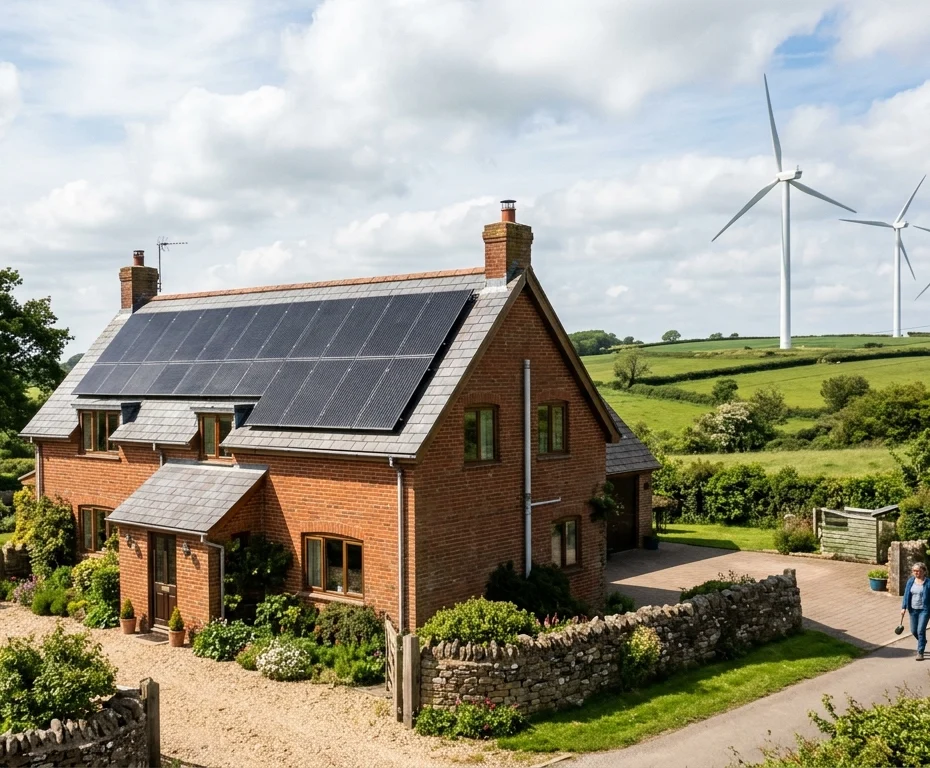
Solar panels and wind turbines represent the two most accessible renewable energy options for residential properties, each with distinct advantages and considerations.
The decision between solar and wind power involves multiple factors including location, property type, local planning regulations and energy requirements. For homeowners in Loughton and surrounding Essex areas, understanding these differences helps ensure you choose the most suitable renewable energy solution.
Both technologies contribute to reduced carbon emissions and energy independence, but their practical applications, performance characteristics and installation requirements vary significantly.
What Are the Key Differences Between Solar and Wind Power?
Solar panels convert sunlight into electricity using photovoltaic cells, while wind turbines generate power by capturing kinetic energy from moving air. These fundamental differences affect everything from installation requirements to performance patterns throughout the year.
Solar systems require unobstructed access to daylight and perform consistently during daylight hours regardless of weather conditions. Wind turbines need adequate wind speeds and clear airflow paths, with performance varying based on wind patterns and seasonal conditions.
If you’re exploring renewable energy options and need expert guidance on solar installation in Loughton, our team can assess your property’s suitability for different renewable technologies.
How Do Installation Requirements Compare?
Solar panel installations are generally more straightforward, requiring roof mounting or ground-based arrays with minimal structural modifications. Most installations are completed within 1-2 days and fall under permitted development rights, requiring no planning permission.
Wind turbines involve more complex installation requirements, including foundation work, electrical connections and often planning permission applications. Residential wind turbines also require minimum distances from property boundaries and adequate space for safe operation.
Which Technology Performs Better in Essex?
The climate in Essex will influence the relative performance of solar and wind technologies. Solar panels work effectively even in cloudy conditions, generating power throughout the year with predictable seasonal variations.
Coastal areas and elevated positions typically provide better wind resources, whilst urban locations often experience turbulent, inconsistent airflow that reduces wind turbine efficiency.
Essex generally experiences adequate solar conditions for effective photovoltaic generation. Most residential areas favour solar installation due to consistent performance and fewer site-specific requirements.
How Do Costs and Returns Compare?
Solar panel costs have decreased significantly over recent years, making residential systems highly cost-effective with payback periods typically ranging from 8-12 years. Financing options and government incentives further improve accessibility and returns.
Residential wind turbines generally involve higher initial costs and more variable returns depending on local wind conditions. Installation complexity and planning requirements can add significant expenses beyond equipment costs.
Great! Now select the type of property
Detached House
Semi Detached House
Terraced House
Flat / Apartment
Bungalow
It just takes 60 seconds
And then you can book a free consultation
What About Maintenance and Reliability?
Solar panels require minimal maintenance, with most systems operating reliably for 25-30 years with occasional cleaning and periodic professional inspections. The absence of moving parts contributes to their exceptional reliability record.
Wind turbines involve more maintenance requirements due to mechanical components including rotating blades, gearboxes and electrical systems. Regular maintenance is essential for safe operation and optimal performance, typically requiring specialist technicians.
Which Technology Offers Better Energy Storage Options?
Solar panels integrate seamlessly with battery storage systems, allowing homeowners to store excess daytime generation for evening use. This maximises energy independence and bill reductions throughout each 24-hour period.
Wind turbines can also work with battery storage, but the irregular nature of wind generation makes storage integration more complex. Wind patterns don’t align as predictably with household energy consumption patterns as solar generation does.
Solar and battery installation in Loughton provides comprehensive renewable energy solutions with predictable performance and straightforward operation for most households.
How Do Planning and Regulatory Requirements Differ?
Solar installations benefit from established permitted development rights that allow most residential systems without planning applications. Regulations are well-understood by installers, simplifying the approval process.
Wind turbines face more complex planning considerations including noise assessments, visual impact studies and neighbour consultation requirements. Planning applications often take several months and may face objections from nearby residents.
What Are the Environmental Impacts?
Both technologies provide significant environmental benefits through reduced carbon emissions and decreased reliance on fossil fuels. Solar panels have minimal environmental impact during operation, with most environmental considerations related to manufacturing processes.
Wind turbines can impact local wildlife, particularly birds and bats, though modern designs incorporate measures to minimise these effects. Noise considerations also affect environmental and social acceptance in residential areas.
Which Technology Suits Different Property Types?
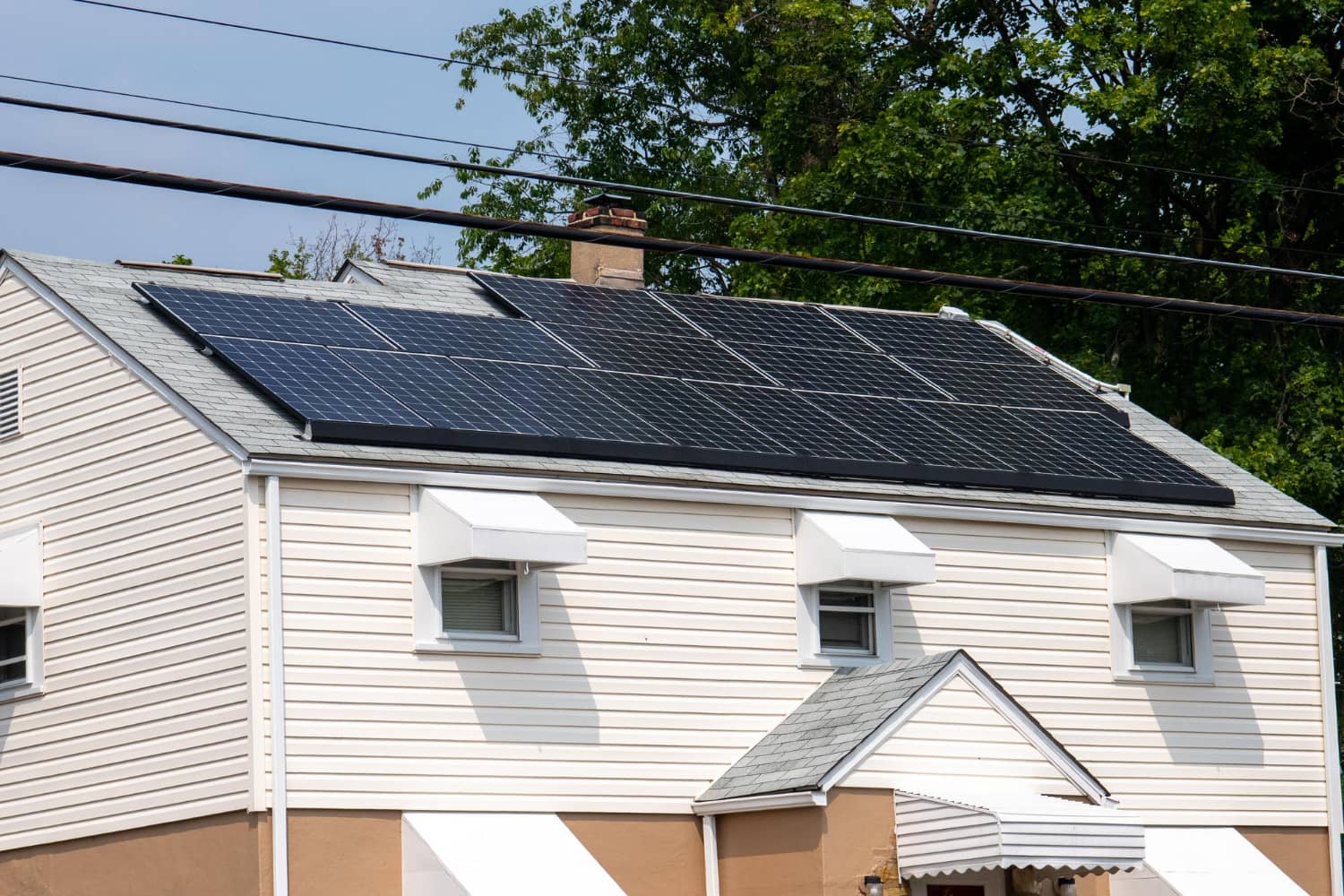
Solar panels work well on most residential properties with suitable roof space or garden areas. They’re particularly effective on south-facing roofs with minimal shading and integrate well with various architectural styles.
Wind turbines require larger properties with adequate space and height clearance. Rural properties with good wind exposure are most suitable, whilst urban installations face significant practical and regulatory challenges.
Consider this typical scenario: A Loughton family with a standard suburban property would likely find solar panels more practical, cost-effective and compatible with their neighbours and local planning requirements compared to wind turbine installation.
What About Future Technology Developments?
Solar technology continues advancing with improved efficiency and reduced costs, whilst installation techniques become increasingly streamlined. Battery storage integration is rapidly improving, enhancing solar system value.
Wind turbine technology is also advancing, but residential applications face ongoing challenges related to noise, planning approval and site suitability that limit widespread adoption in suburban areas.
Final Thoughts
For most homeowners in Essex and surrounding areas, solar panels offer the most practical, cost-effective renewable energy solution. They provide predictable performance, straightforward installation, minimal maintenance requirements and excellent integration with battery storage systems.
Contact JOL Solar today to discuss your renewable energy requirements and discover how our solar installation specialist services can help you achieve energy independence. Our experienced engineers provide comprehensive assessments of your property’s renewable energy potential and recommend the most suitable solution for your specific needs and circumstances.
Related articles
Detached House
Semi Detached House
Terraced House
Flat / Apartment
Bungalow
At a glance
Solar panels and wind turbines represent the two most accessible renewable energy options for residential properties, each with distinct advantages and considerations.
The decision between solar and wind power involves multiple factors including location, property type, local planning regulations and energy requirements. For homeowners in Loughton and surrounding Essex areas, understanding these differences helps ensure you choose the most suitable renewable energy solution.
Both technologies contribute to reduced carbon emissions and energy independence, but their practical applications, performance characteristics and installation requirements vary significantly.
What Are the Key Differences Between Solar and Wind Power?
Solar panels convert sunlight into electricity using photovoltaic cells, while wind turbines generate power by capturing kinetic energy from moving air. These fundamental differences affect everything from installation requirements to performance patterns throughout the year.
Solar systems require unobstructed access to daylight and perform consistently during daylight hours regardless of weather conditions. Wind turbines need adequate wind speeds and clear airflow paths, with performance varying based on wind patterns and seasonal conditions.
If you’re exploring renewable energy options and need expert guidance on solar installation in Loughton, our team can assess your property’s suitability for different renewable technologies.
How Do Installation Requirements Compare?
Solar panel installations are generally more straightforward, requiring roof mounting or ground-based arrays with minimal structural modifications. Most installations are completed within 1-2 days and fall under permitted development rights, requiring no planning permission.
Wind turbines involve more complex installation requirements, including foundation work, electrical connections and often planning permission applications. Residential wind turbines also require minimum distances from property boundaries and adequate space for safe operation.
Which Technology Performs Better in Essex?
The climate in Essex will influence the relative performance of solar and wind technologies. Solar panels work effectively even in cloudy conditions, generating power throughout the year with predictable seasonal variations.
Coastal areas and elevated positions typically provide better wind resources, whilst urban locations often experience turbulent, inconsistent airflow that reduces wind turbine efficiency.
Essex generally experiences adequate solar conditions for effective photovoltaic generation. Most residential areas favour solar installation due to consistent performance and fewer site-specific requirements.
How Do Costs and Returns Compare?
Solar panel costs have decreased significantly over recent years, making residential systems highly cost-effective with payback periods typically ranging from 8-12 years. Financing options and government incentives further improve accessibility and returns.
Residential wind turbines generally involve higher initial costs and more variable returns depending on local wind conditions. Installation complexity and planning requirements can add significant expenses beyond equipment costs.
Great! Now select the type of property
Detached House
Semi Detached House
Terraced House
Flat / Apartment
Bungalow
It just takes 60 seconds
And then you can book a free consultation
What About Maintenance and Reliability?
Solar panels require minimal maintenance, with most systems operating reliably for 25-30 years with occasional cleaning and periodic professional inspections. The absence of moving parts contributes to their exceptional reliability record.
Wind turbines involve more maintenance requirements due to mechanical components including rotating blades, gearboxes and electrical systems. Regular maintenance is essential for safe operation and optimal performance, typically requiring specialist technicians.
Which Technology Offers Better Energy Storage Options?
Solar panels integrate seamlessly with battery storage systems, allowing homeowners to store excess daytime generation for evening use. This maximises energy independence and bill reductions throughout each 24-hour period.
Wind turbines can also work with battery storage, but the irregular nature of wind generation makes storage integration more complex. Wind patterns don’t align as predictably with household energy consumption patterns as solar generation does.
Solar and battery installation in Loughton provides comprehensive renewable energy solutions with predictable performance and straightforward operation for most households.
How Do Planning and Regulatory Requirements Differ?
Solar installations benefit from established permitted development rights that allow most residential systems without planning applications. Regulations are well-understood by installers, simplifying the approval process.
Wind turbines face more complex planning considerations including noise assessments, visual impact studies and neighbour consultation requirements. Planning applications often take several months and may face objections from nearby residents.
What Are the Environmental Impacts?
Both technologies provide significant environmental benefits through reduced carbon emissions and decreased reliance on fossil fuels. Solar panels have minimal environmental impact during operation, with most environmental considerations related to manufacturing processes.
Wind turbines can impact local wildlife, particularly birds and bats, though modern designs incorporate measures to minimise these effects. Noise considerations also affect environmental and social acceptance in residential areas.
Which Technology Suits Different Property Types?
Solar panels work well on most residential properties with suitable roof space or garden areas. They’re particularly effective on south-facing roofs with minimal shading and integrate well with various architectural styles.
Wind turbines require larger properties with adequate space and height clearance. Rural properties with good wind exposure are most suitable, whilst urban installations face significant practical and regulatory challenges.
Consider this typical scenario: A Loughton family with a standard suburban property would likely find solar panels more practical, cost-effective and compatible with their neighbours and local planning requirements compared to wind turbine installation.
What About Future Technology Developments?
Solar technology continues advancing with improved efficiency and reduced costs, whilst installation techniques become increasingly streamlined. Battery storage integration is rapidly improving, enhancing solar system value.
Wind turbine technology is also advancing, but residential applications face ongoing challenges related to noise, planning approval and site suitability that limit widespread adoption in suburban areas.
Final Thoughts
For most homeowners in Essex and surrounding areas, solar panels offer the most practical, cost-effective renewable energy solution. They provide predictable performance, straightforward installation, minimal maintenance requirements and excellent integration with battery storage systems.
Contact JOL Solar today to discuss your renewable energy requirements and discover how our solar installation specialist services can help you achieve energy independence. Our experienced engineers provide comprehensive assessments of your property’s renewable energy potential and recommend the most suitable solution for your specific needs and circumstances.
